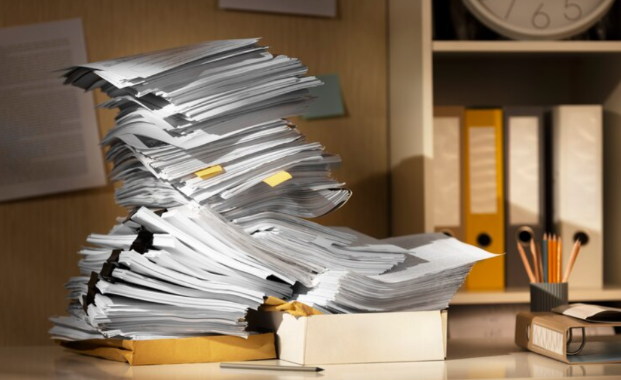

In today’s digital and business world, protecting sensitive information is very important. Companies and individuals handle many confidential documents such as financial records, client details, legal papers, and internal reports. If these documents are not disposed of properly, they can be misused and lead to serious security risks. This is where proper document disposal methods play an important role. One of the most reliable methods is security destruction, which ensures that sensitive information is completely destroyed and cannot be recovered.
Understanding Security Destruction
Security destruction refers to the safe and controlled process of destroying confidential documents so that the information inside them cannot be accessed or reconstructed. Unlike simple disposal, where papers may still be readable or recoverable, security destruction ensures total elimination of data. It is commonly used by businesses, government offices, and organizations that deal with private or sensitive information on a daily basis.
The main purpose of security destruction is to reduce the risk of data breaches, identity theft, and unauthorized access to information that should remain private.
Importance of Secure Document Disposal
Proper disposal of confidential documents is essential because even a single piece of leaked information can cause harm. Old documents that are thrown away without proper destruction can be retrieved from bins or landfills and used for fraudulent activities.
Security destruction helps prevent these risks by ensuring that all sensitive papers are completely destroyed. This process supports privacy protection and helps organizations follow legal and regulatory requirements related to data safety. It also builds trust between companies and their clients because people feel more secure knowing their information is handled responsibly.
How Security Destruction Works
The process of security destruction is carried out using specialized methods and equipment. Documents are usually shredded into very small pieces that cannot be reassembled. In some cases, advanced techniques like pulping or burning may also be used depending on the level of security required.
Before destruction, documents are collected and stored securely to prevent any unauthorized access. Once the process begins, the materials are broken down completely so that no readable information remains. After destruction, the waste is often recycled, which also supports environmentally friendly practices.
Benefits of Security Destruction
One of the main benefits of security destruction is the strong protection it offers against data misuse. It ensures that sensitive business or personal information does not fall into the wrong hands. It also helps organizations maintain compliance with privacy laws and industry standards.
Another benefit is improved efficiency in document management. Companies can safely clear out old files and reduce storage space without worrying about security risks. Additionally, it supports environmental responsibility by allowing secure recycling of destroyed paper materials.
Conclusion
Security destruction is an essential practice for safe and responsible disposal of confidential documents. It ensures that sensitive information is completely eliminated and cannot be recovered or misused. By using proper destruction methods, individuals and organizations can protect privacy, reduce security risks, and maintain trust. In a world where information security is becoming more important every day, security destruction provides a reliable solution for safeguarding valuable data.