
Introduction
The cement manufacturing industry relies on advanced machinery, reliable process control, and efficient automation to maintain consistent production. From raw material preparation to clinker cooling and cement packaging, every stage requires equipment that can operate accurately under demanding industrial conditions. One important component in these automated systems is the electric actuator, which controls the movement of valves, dampers, and other mechanical devices. A Cement Plant Electric Actuator helps operators manage industrial processes by converting electrical energy into controlled mechanical movement. This technology supports accurate positioning, dependable operation, and improved coordination between different production systems. As cement plants increasingly adopt automated solutions, electric actuators have become valuable components for controlling material flow, managing air circulation, and optimizing equipment performance. Selecting the right actuator can contribute to operational reliability, reduced manual intervention, and better control throughout the manufacturing process.
What Is a Cement Plant Electric Actuator?
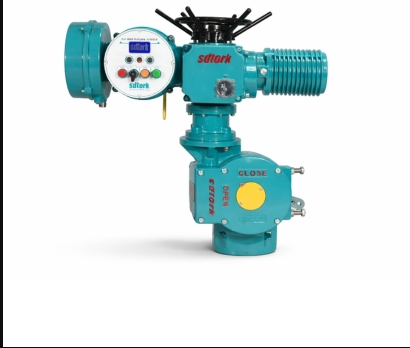
An electric actuator is an electromechanical device that uses an electric motor and a mechanical transmission system to produce movement. Depending on its design, it can rotate a valve shaft, move a damper, or position other industrial components. In cement manufacturing facilities, these devices are integrated into automated control systems to regulate different operating conditions.
A Cement Plant Electric Actuator typically works with equipment such as butterfly valves, ball valves, gate mechanisms, and industrial dampers. It receives electrical commands from a control panel, programmable logic controller, or distributed control system. The actuator then moves the connected equipment to a required position. Some models provide simple open-and-close operation, while others support precise intermediate positioning. This flexibility allows plant operators to manage processes according to production requirements. The appropriate actuator depends on operating temperature, required torque, movement speed, environmental conditions, and the type of equipment being controlled.
Importance of Electric Actuators in Cement Manufacturing
Cement production involves several interconnected processes that must operate in coordination. Raw materials are crushed, ground, blended, heated, and processed before the finished cement is prepared for distribution. Each stage depends on carefully managed airflow, material movement, and equipment operation. Inaccurate control can affect production consistency, energy consumption, and equipment reliability.
Electric actuators help address these requirements by enabling automatic operation of valves and dampers. Instead of relying entirely on manual adjustments, operators can issue commands from centralized control systems. This improves process coordination and makes it easier to respond to changing operating conditions. Actuator feedback can also help control systems verify equipment position and identify certain operating problems. When correctly selected and maintained, these devices support smoother production, reduce unnecessary manual work, and help cement manufacturers establish more consistent operating procedures.
Major Applications in a Cement Plant
Electric actuators are used throughout cement production because different stages require reliable mechanical positioning. Their specific applications depend on plant design, equipment configuration, and process requirements.
1. Raw Material Handling
Raw material handling systems transport limestone, clay, and other ingredients to crushing, storage, and grinding equipment. Electric actuators can operate diverter gates, isolation valves, and selected flow-control mechanisms used within these systems. Their operation helps direct material through the correct processing route and supports coordinated equipment movement.
Reliable positioning is especially important when multiple conveyors, storage bins, and processing machines operate together. An actuator integrated with the plant control system can respond to operating commands and help prevent incorrect equipment sequencing. However, the actuator must be matched to the mechanical load and the abrasive conditions associated with cement raw materials.
2. Kiln and Combustion Systems
The rotary kiln is a central part of cement manufacturing because it uses high temperatures to transform prepared raw meal into clinker. Combustion control and airflow management are essential for maintaining appropriate operating conditions. Electric actuators may operate dampers and valves associated with combustion air, exhaust systems, and other supporting equipment.
In these applications, dependable positioning helps operators regulate airflow and coordinate different parts of the kiln system. Equipment exposed to elevated temperatures requires suitable installation arrangements, protective enclosures, and appropriate separation from heat sources. The actuator itself must remain within its specified operating limits to maintain reliable performance.
3. Dust Collection Systems
Cement plants generate dust during crushing, grinding, material transfer, and packaging. Dust collection systems use filters, ducts, dampers, and other components to manage airborne particles and maintain appropriate ventilation.
Electric actuators can control dampers in these systems, allowing operators to adjust airflow or isolate particular sections when required. Accurate damper positioning supports effective coordination between extraction equipment and production machinery. In dusty environments, enclosure protection, sealing, and maintenance are particularly important because accumulated particles can affect moving components or electrical connections.
4. Cement Grinding and Packaging
Grinding mills reduce clinker and other permitted ingredients to the required fineness. After grinding, the cement is transferred to storage silos and packaging equipment. Electric actuators can support the operation of selected flow-control valves, silo discharge mechanisms, and air-handling dampers.
Automated positioning helps coordinate material transfer and can reduce the need for repeated manual adjustments. In packaging areas, actuator operation may also contribute to more organized equipment sequencing. The actual benefits depend on the application, the control strategy, and the suitability of the actuator for the mechanical load.
Types of Electric Actuators Used in Cement Plants
Different actuator designs serve different operating requirements. Understanding their basic characteristics helps engineers choose equipment that matches the application.
Quarter-Turn Electric Actuators
Quarter-turn actuators typically rotate a connected shaft through approximately 90 degrees. They are commonly used with butterfly valves, ball valves, and certain damper arrangements. Their compact design makes them suitable for applications requiring relatively short rotational movement between defined positions.
These actuators may provide on-off control or modulating operation, depending on the model. Before installation, engineers should verify the required torque, operating frequency, valve characteristics, and available power supply.
Multi-Turn Electric Actuators
Multi-turn actuators produce rotational movement over multiple turns and are commonly used with compatible gate valves, globe valves, and other equipment requiring several shaft rotations. They are useful when the connected mechanism needs a longer movement range to reach its operating position.
The actuator must be configured according to the valve’s torque and thrust requirements. Appropriate travel limits and protective settings help prevent mechanical damage caused by excessive movement.
Linear Electric Actuators
Linear actuators generate straight-line movement rather than rotation. They may be used in selected gates, positioning mechanisms, and other equipment where direct linear motion is required. Their suitability depends on the required force, travel distance, operating speed, and environmental conditions.
Although not every cement plant application requires linear movement, these actuators can provide a practical solution when the connected machinery is designed around a translating mechanism.
Key Features to Consider When Selecting an Actuator
Choosing an appropriate Cement Plant Electric Actuator requires careful evaluation of the process environment and mechanical requirements. One of the first considerations is torque or thrust capacity. The actuator must produce enough force to operate the connected valve or damper under expected conditions, including any additional resistance caused by deposits, friction, or pressure differences.
Environmental protection is another important factor. Cement plants often contain airborne dust, vibration, humidity, and temperature variations. An enclosure with a suitable ingress protection rating can help protect electrical and mechanical components. Engineers should also consider ambient temperature, corrosion exposure, and the need for special protection in hazardous areas.
Control compatibility is equally important. The actuator may need to communicate with a local control panel, programmable logic controller, or distributed control system. Position feedback, limit switches, torque protection, manual override, and fault indication can improve operational monitoring. Finally, maintenance access, spare-part availability, installation space, and lifecycle cost should be considered before a purchasing decision is made.
Benefits of Electric Actuators in Cement Plants
One major advantage of electric actuators is improved automation. Operators can control compatible equipment remotely, which reduces the need to access difficult or potentially hazardous locations for routine adjustments. Centralized operation also helps coordinate equipment across multiple production stages.
Another benefit is positioning accuracy. Depending on the actuator design and control system, equipment can be moved to defined positions and monitored through feedback signals. This can improve consistency when controlling airflow, operating valves, or coordinating material-handling mechanisms.
Electric actuators can also reduce routine manual intervention and support preventive maintenance through operating feedback and fault monitoring. Their use may contribute to better energy management when integrated into an appropriate process-control strategy. However, energy savings are not automatic; they depend on motor efficiency, duty cycle, system design, and how the actuator is operated. Overall, suitable electric actuation equipment can help improve reliability and process management when supported by correct engineering and maintenance practices.
Installation and Maintenance Best Practices
Correct installation is essential for achieving dependable actuator performance. Before mounting the equipment, technicians should confirm that the actuator is compatible with the connected valve or damper. Mechanical alignment, mounting strength, coupling dimensions, and required operating torque should be checked carefully. Incorrect alignment can increase mechanical resistance and accelerate wear.
Electrical connections must follow the manufacturer’s specifications and applicable industrial safety requirements. Technicians should verify the power supply, control wiring, grounding, travel limits, and feedback signals before commissioning. The actuator should also be configured to operate correctly within the control system’s command sequence.
Routine maintenance should include visual inspections, checking for loose connections, monitoring abnormal noise or vibration, and confirming that the actuator reaches its intended positions. Enclosure seals and cable entries should be inspected where dust or moisture exposure is significant. Maintenance intervals should follow manufacturer recommendations and actual operating conditions. Before inspection or repair, equipment must be isolated and made safe according to the plant’s lockout and electrical safety procedures.
Common Challenges and How to Address Them
Electric actuators in cement facilities can experience operational challenges caused by dust accumulation, excessive mechanical load, vibration, temperature exposure, and electrical disturbances. A valve that becomes difficult to move may cause the actuator to draw excessive current or activate its torque protection. In such cases, investigating the connected equipment is often as important as checking the actuator itself.
Communication or positioning problems can also occur when control wiring, limit settings, feedback devices, or configuration parameters are incorrect. A systematic troubleshooting process helps identify the cause without replacing components unnecessarily. Engineers should examine alarm records, verify electrical conditions, inspect mechanical movement, and compare actual operation with manufacturer specifications.
Selecting equipment designed for the real operating environment is one of the best ways to reduce these problems. Suitable enclosure protection, correct actuator sizing, proper commissioning, and scheduled maintenance all contribute to longer service life. Plant personnel should also receive appropriate training so they can recognize early warning signs and follow safe troubleshooting procedures.
The Role of Electric Actuators in Cement Plant Automation
Modern cement plants increasingly use integrated automation systems to monitor equipment, coordinate production, and maintain operating consistency. Electric actuators serve as field-level devices that translate control commands into physical movement. When combined with sensors, controllers, and suitable feedback systems, they allow operators to manage equipment from centralized control rooms.
This integration can improve visibility into equipment status and support more systematic process adjustments. For example, damper position feedback can help operators understand whether a ventilation system is responding to a command, while valve position signals can support equipment sequencing. More advanced installations may also use operating data to identify unusual movement patterns or maintenance requirements.
A Cement Plant Electric Actuator therefore plays a practical role in connecting digital control strategies with mechanical equipment. Its effectiveness depends on reliable communication, appropriate configuration, and coordination with the broader plant automation architecture. Good system design helps ensure that automated commands produce the intended physical response.
How to Choose the Right Supplier
Selecting a reliable supplier is an important part of an actuator purchasing decision. Buyers should assess whether the supplier understands cement industry applications and can recommend equipment based on actual process conditions rather than general specifications alone.
Technical documentation should clearly describe torque or thrust ratings, duty classification, operating temperature, enclosure protection, control options, and installation requirements. Buyers should also confirm whether the actuator supports the plant’s existing electrical and automation systems. Compatibility can reduce installation complications and simplify future maintenance.
After-sales support is another consideration. Access to spare parts, commissioning assistance, troubleshooting guidance, and maintenance documentation can be valuable throughout the equipment’s service life. Comparing the initial purchase price with expected maintenance costs and operational requirements provides a more complete view of long-term value. The best choice is an actuator solution that satisfies technical requirements, meets applicable safety standards, and can be supported throughout its intended operating life.
Conclusion
Electric actuators are important components in modern cement manufacturing because they enable controlled movement, automated operation, and dependable positioning of valves, dampers, and other industrial mechanisms. Their applications extend from raw material handling and kiln support systems to dust collection, grinding, storage, and packaging.
A properly selected Cement Plant Electric Actuator can help improve process coordination, reduce manual intervention, and support reliable plant operation. Achieving these benefits requires correct sizing, suitable environmental protection, compatible control interfaces, professional installation, and regular maintenance. Cement manufacturers should evaluate operating conditions and equipment requirements carefully before selecting an actuator. By combining appropriate actuation technology with effective automation and maintenance practices, plants can strengthen operational efficiency, improve equipment management, and support consistent cement production.