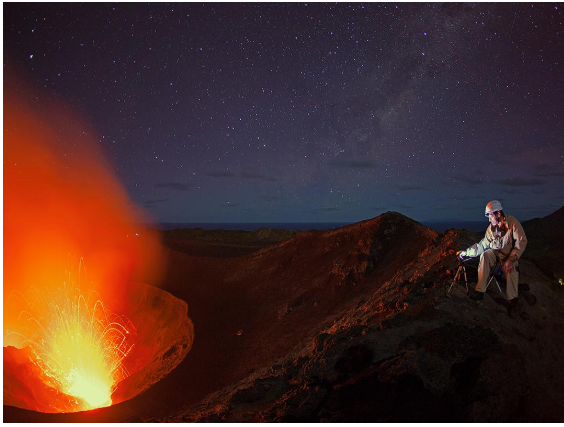

There is a particular thrill in standing on ground that is still being shaped. Steam drifts from vents, black lava fields stretch to the horizon, and a crater rim reveals a glowing lake or a quiet turquoise pool. Volcano tours and travel draw adventurers, photographers, geology enthusiasts, and curious families who want to see the planet at its most dramatic.
Volcanic tours and travel regions are also some of the most beautiful and fertile places on Earth. Their soils support rich farming, their slopes shelter unique wildlife, and their hot springs and black-sand beaches have become destinations in their own right. This guide covers the main types of volcano tours, the best places to go, when to travel, how to stay safe, and how to plan responsibly.
What Are Volcano Tours?
Volcano tours are guided trips to active, dormant, or extinct volcanoes, designed to let visitors safely observe and learn about volcanic landscapes. They range from gentle viewpoints reached by car to multi-day treks that climb high into crater zones.
A good tour combines scenery, science, and local culture. Guides explain how the volcano formed, what its current activity level means, and how nearby communities live alongside it. Many itineraries also pair the volcano itself with hot springs, waterfalls, forest walks, wildlife encounters, and traditional food.
Types of Volcano Experiences
Crater hikes. Guided walks to the rim of a crater, often starting before dawn to catch sunrise views and avoid afternoon cloud.
Multi-day treks. Longer climbs to high summits, sometimes with camping or mountain huts. These require stronger fitness and proper acclimatization.
Lava viewing. Viewing points, boat trips, or night hikes in places where lava flows are active and accessible. Access depends entirely on current conditions.
Scenic and aerial tours. Helicopter or small plane flights give a broad view of calderas, lava fields, and island chains.
Cave and lava tube tours. Underground walks through tunnels formed by flowing lava, offering a very different perspective.
Geothermal and spa experiences. Hot springs, mud pools, and steam fields near volcanic areas provide relaxing rewards after active days.
Volcano and wildlife combinations. Some destinations pair volcano hikes with rare animals living on the slopes.
Top Volcano Destinations Around the World
Iceland
Iceland sits on a volcanic hotspot and offers some of the most accessible volcano travel anywhere. Visitors can hike across lava fields, explore lava tubes, walk between tectonic plates, and soak in geothermal lagoons. Eruptions in recent years have occasionally created temporary viewing opportunities, though access is controlled and changes quickly.
Hawaii, United States
Hawai’i Volcanoes National Park on the Big Island is a landmark destination, with crater rim drives, steam vents, and lava landscapes. Conditions change with volcanic activity, so check park alerts before planning around a specific feature.
Italy
Mount Etna in Sicily, Vesuvius near Naples, and Stromboli in the Aeolian Islands offer a blend of volcanic scenery and Mediterranean culture. Many visitors combine a crater hike with wine tasting on fertile volcanic slopes, or visit the ruins of Pompeii beneath Vesuvius.
Indonesia
Indonesia has more active volcanoes tours and travel than almost any other country. Mount Bromo and Ijen in Java are famous for sunrise views and, at Ijen, a striking turquoise crater lake. Treks are popular but require respect for local conditions and guidance.
Rwanda, Uganda, and the Virunga Region
The Virunga Massif in East and Central Africa pairs volcano hiking with wildlife. In Rwanda’s Volcanoes National Park, visitors can climb Mount Bisoke to a crater lake, hike the Dian Fossey trail, or take on the multi-day ascent of Mount Karisimbi. The same forests shelter mountain gorillas and golden monkeys, making this one of the few places where volcano travel and primate encounters overlap.
Tanzania and Kenya
Ol Doinyo Lengai, the sacred “Mountain of God” of the Maasai, is an unusually active volcano, while Kilimanjaro and Mount Kenya are ancient volcanic peaks that attract trekkers from around the world.
Japan, New Zealand, Chile, and Beyond
Mount Fuji, the geothermal wonderland of Rotorua and Tongariro in New Zealand, and the volcano-studded landscapes of Chile and Ecuador round out a long list of options. Each offers a different blend of adventure, culture, and scenery.
Best Time to Take a Volcano Tour
Timing depends more on weather and daylight than on the volcano itself.
- Dry seasons usually give clearer skies, firmer trails, and better summit views. In East Africa this is generally June to September and December to February.
- Summer months in places such as Iceland and Italy offer long days and milder temperatures, though they are also the busiest.
- Shoulder seasons can mean fewer crowds, lower prices, and good light for photography.
- Winter can be spectacular in cold regions, but snow, ice, and short days require specialist guides and gear.
Volcano activity itself is unpredictable. Whatever the season, treat any plan to see lava or a specific eruption as a bonus rather than a promise.
How Fit Do You Need to Be?
Difficulty varies enormously. Some volcanoes have paved paths and viewpoints reachable by short walks. Others require several hours of steep climbing over loose scree and rock, often at altitude where the air is thin.
Moderate fitness is enough for most day hikes. Regular walking, stair climbing, or hill training in the weeks before travel helps. For high-altitude or multi-day climbs, allow time to acclimatize and discuss any health conditions with a doctor beforehand. Choose a tour whose grading matches your ability rather than aiming for the hardest option.
Safety on Volcano Tours
Volcanoes are natural hazards, and responsible tours treat safety as the top priority.
- Follow official alerts. Park authorities and geological monitoring agencies publish activity levels, closures, and warnings. Trails can close with little notice.
- Use certified local guides. They know the terrain, the weather patterns, and the safe routes.
- Respect exclusion zones. Never enter closed areas for a better photo, however tempting.
- Watch for gases. Volcanic gases can be dangerous. Guides will advise on safe viewing locations, and people with respiratory conditions should take extra care.
- Prepare for weather. Conditions shift quickly at altitude, with wind, rain, and sudden cold.
- Carry the basics. Water, snacks, layers, a headlamp for early starts, and a charged phone are sensible essentials.
- Buy insurance. Choose travel insurance that covers adventure activities, medical care, and evacuation.
What to Pack
- Sturdy, broken-in hiking boots with good grip
- Layers, including a warm mid-layer and a waterproof jacket
- Long trousers, since volcanic rock is sharp and abrasive
- Gloves, a hat, and sunglasses
- Sunscreen, since UV exposure is stronger at altitude
- A headlamp for sunrise hikes
- A refillable water bottle and energy snacks
- A camera, spare batteries, and a lens cloth for dust and mist
- A small daypack, and a mask or scarf if you are sensitive to gases or dust
Combining Volcano Travel With Other Experiences
Volcanic regions rarely offer just one attraction.
- Wildlife. In the Virunga region, gorilla and golden monkey trekking sit alongside volcano hikes. Elsewhere, whale watching, birdwatching, and national park safaris are common pairings.
- Culture. Visits to farming communities, craft markets, and traditional performances show how people live in the shadow of volcanoes.
- Food and drink. Volcanic soils produce excellent coffee, tea, wine, and vegetables, and tastings add a flavorful layer to a trip.
- Relaxation. Hot springs, lakeside lodges, and black-sand beaches make natural rest stops between hikes.
Planning and Booking Tips
- Decide your priorities. Do you want a gentle viewpoint, a challenging summit, or a combination of volcano and wildlife?
- Check current conditions. Volcanic activity and trail access change. Confirm status with the park authority or your operator close to departure.
- Book popular permits and tours early. Some national parks limit visitor numbers, and peak seasons fill quickly.
- Choose a licensed operator. Look for transparent pricing, certified guides, solid safety procedures, and strong recent reviews.
- Build in flexibility. Weather or activity can force changes, so a spare day in your schedule is wise.
- Travel responsibly. Stay on marked trails, take your litter out, and respect local customs and sacred sites.
Conclusion
Volcanoes tours and travel offer a rare chance to witness the forces that shape our planet, set against landscapes of striking beauty. From the lava fields of Iceland to the crater lakes of Rwanda and the sunrise summits of Indonesia, each destination offers its own mix of adventure, science, and culture. The best trips combine realistic expectations with careful preparation: check current conditions, match the hike to your fitness, hire qualified guides, and respect the mountain. Do that, and a volcano journey becomes more than a photo opportunity. It becomes a lasting reminder of the power and fragility of the natural world.
Key Takeaways
- Volcano tours range from easy viewpoints to demanding multi-day treks.
- Top destinations include Iceland, Hawaii, Italy, Indonesia, East Africa, Japan, and New Zealand.
- Dry seasons generally offer the best visibility and trail conditions.
- Volcanic activity is unpredictable, so access and viewing opportunities can change quickly.
- Always follow official alerts, closures, and the advice of certified local guides.
- Moderate fitness suits most day hikes, while high-altitude climbs need more preparation.
- Pack layers, sturdy boots, sun protection, and a headlamp for early starts.
- Volcano travel pairs well with wildlife, culture, food, and hot springs.
- Choose licensed operators and travel responsibly to protect fragile landscapes.
Frequently Asked Questions
Is it safe to visit a volcano?
Guided tours of monitored volcanoes are generally safe when you follow official alerts, stay in permitted areas, and listen to your guide. Risks are never zero, so choose reputable operators and heed closures.
Can I see lava on a volcano tour?
Sometimes, but only where flows are active and safely accessible. Conditions change constantly, so treat lava viewing as a possible highlight rather than a guarantee.
What is the best time of year for volcano tours?
It depends on the region. Generally, dry or summer seasons give clearer skies and easier trails, while shoulder seasons offer fewer crowds.
How fit do I need to be?
Many volcano walks are suitable for average fitness, while summit climbs and multi-day treks require good stamina. Check the tour’s difficulty rating before booking.
Do I need a guide?
In most national parks and for any serious climb, yes. Guides improve safety, share local knowledge, and are often required by park rules.
What should I wear?
Layers, waterproof outerwear, sturdy hiking boots, long trousers, gloves, and a hat. Volcanic terrain is rough, and mountain weather changes fast.
Can children join volcano tours?
Many easy volcano visits suit families, but some hikes and parks have age or fitness limits. Ask your operator about specific restrictions.
Can I combine a volcano trip with wildlife viewing?
Yes. In Rwanda’s Volcanoes National Park, for example, you can pair a crater hike with gorilla or golden monkey trekking.
How far in advance should I book?
For popular parks and peak seasons, book several months ahead. Permit-limited areas may require even earlier planning.
What if the volcano is closed or erupting?
Reputable operators will adjust your itinerary, offer alternatives, or explain their refund and rescheduling terms. Check cancellation policies before you pay.