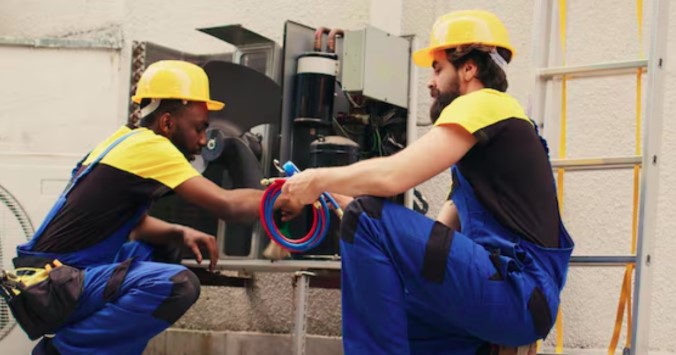

When the time comes to replace an outdated heating, ventilation, and air conditioning system, property owners often focus primarily on the installation of the new unit.
However, the responsible disposal of the old equipment is equally important. Improper disposal can lead to environmental hazards, particularly due to the refrigerants and heavy metals found in these systems.
Choosing a qualified professional to handle your HVAC recycling is a crucial step in maintaining environmental stewardship.
By selecting the right service provider, you ensure that hazardous materials are neutralized and reusable components are reclaimed effectively. Here are five key factors to evaluate when you are searching for a reliable partner for your needs.
Verify Proper Certification and Licensing
The most important factor to consider is whether the company possesses the necessary environmental certifications to handle cooling systems. HVAC systems often contain ozone-depleting refrigerants, such as Freon, which require specific handling protocols established by environmental protection agencies.
A certified professional must follow strict legal guidelines for the recovery and disposal of these chemicals. Always ask for proof of certification before committing to any HVAC recycling service to ensure they are fully compliant with current safety and environmental regulations.
Confirm Adherence to Environmental Standards
Beyond basic licensing, you should look for companies that demonstrate a commitment to sustainable practices. A high-quality service provider will have clear protocols for the safe extraction of harmful substances, ensuring that oil, lead, and mercury do not contaminate the local soil or water supply.
When you prioritize professional HVAC recycling, you are helping to keep toxic chemicals out of landfills. Ask the service provider to explain their process for component separation, as this indicates how much of the unit will be successfully diverted from the waste stream.
Assess Equipment Handling and Logistics
Removing a heavy, bulky HVAC unit can be dangerous and logistically difficult. Ensure the service provider has the necessary equipment to safely dismantle and transport your old system without causing damage to your property or injury to themselves.
Reliable companies will offer comprehensive service, including the de-installation of the old unit, secure loading, and safe transport to a registered facility. Evaluating their logistics capabilities will prevent accidental spills or structural damage during the removal process.
Request Proper Documentation and Certification
Accountability is a vital aspect of responsible waste management. A professional service provider should provide you with documentation verifying that your unit was processed legally and safely.
This paper trail is particularly important for commercial buildings or facilities that must adhere to specific sustainability reporting requirements.
When researching a company for HVAC recycling, ensure they are willing to provide a certificate of destruction or a disposal receipt, which serves as proof that the hazardous materials have been dealt with according to the law.
Evaluate Cost Transparency and Value
While the environmental impact is the primary goal, cost remains a practical consideration. Some companies may charge a removal fee, while others might provide the service at a lower cost if they are able to salvage valuable metals from the system.
Obtain multiple quotes and ask for a detailed breakdown of the costs involved, including potential surcharges for the handling of hazardous refrigerants.
Transparency in pricing helps you identify a provider that offers genuine value without compromising on safety or environmental standards.