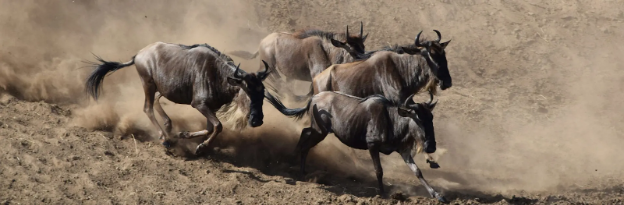

The Serengeti Great Migration Tour is widely considered one of the most extraordinary wildlife experiences on Earth. Every year, more than two million animals move across the vast plains of East Africa in search of fresh grazing and water. This natural phenomenon occurs mainly in the famous Serengeti National Park and continues into the Maasai Mara National Reserve, creating an unforgettable safari adventure for travelers from around the world.
A Serengeti Great Migration tour offers visitors the chance to see enormous herds of wildebeest, zebras, and gazelles crossing rivers, avoiding predators, and traveling across endless savannah landscapes. The journey is dramatic, intense, and breathtaking — making it one of Africa’s most iconic safari experiences.
In this article, we’ll explore everything you need to know about the Serengeti Great Migration tour, including how it works, the best time to visit, what animals you’ll see, and how to plan your trip.
What is the Serengeti Great Migration?
The Serengeti Great Migration Tours is the largest overland animal migration in the world. Each year, around 1.5 million wildebeest, 200,000 zebras, and hundreds of thousands of gazelles travel in a circular route across the Serengeti ecosystem.
This migration is driven by rainfall patterns. As grasslands dry out in one area, animals move toward regions with fresh vegetation and water. The migration route stretches across northern Tanzania and southern Kenya, covering nearly 1,800 miles annually.
During this journey, the herds face many dangers, including predators such as lions, cheetahs, and crocodiles. These challenges make the migration one of the most dramatic wildlife spectacles in nature.
The Migration Route
The Great Migration follows a year-round cycle across the Serengeti ecosystem. Each stage offers a unique safari experience.
January – March: Calving Season
The migration begins in the southern plains of Serengeti National Park near the Ngorongoro Conservation Area.
During this time:
- Around 500,000 wildebeest calves are born within a few weeks.
- Predators like lions, hyenas, and cheetahs become highly active.
- The plains are filled with newborn animals learning to walk and run.
This season is ideal for photographers and travelers who want to witness dramatic predator-prey interactions.
April – June: Moving North
As rains end in the southern plains, the herds begin moving north toward central Serengeti.
Highlights include:
- Massive herds stretching across the plains
- Intense predator hunting activity
- Long lines of animals moving across the savannah
By June, the migration reaches the western corridor, preparing for river crossings.
July – September: Mara River Crossings
This is the most famous and dramatic phase of the migration.
Animals must cross the dangerous Mara River to reach greener pastures in the Maasai Mara National Reserve.
Key highlights:
- Thousands of wildebeest jumping into the river
- Crocodiles waiting beneath the water
- Chaotic and thrilling crossings
These moments are some of the most iconic wildlife scenes in the world.
October – December: Return to the Serengeti
After grazing in the Maasai Mara, the herds move south again as rains return to Tanzania.
During this period:
- The migration spreads across northern Serengeti
- Animals travel back toward the southern plains
- The cycle prepares to begin again
This stage offers excellent wildlife viewing with fewer tourists.
Wildlife You’ll See on a Great Migration Safari
Although the migration focuses on wildebeest, a Serengeti safari also offers sightings of Africa’s famous Big Five.
Common animals include:
- Lions
- Leopards
- Elephants
- Buffalo
- Rhinoceros
- Cheetahs
- Hyenas
- Giraffes
- Zebras
- Gazelles
The Serengeti ecosystem supports one of the highest concentrations of wildlife on the planet.
Best Time for a Serengeti Great Migration Tour
The best time to visit depends on what part of the migration you want to see.
| Season | Experience |
| January – March | Calving season and predator activity |
| April – June | Large herds moving across plains |
| July – September | Famous Mara River crossings |
| October – December | Return migration and quieter safaris |
For most travelers, July to September is the most popular time because of the dramatic river crossings.
Types of Serengeti Migration Tours
There are several ways to experience the Great Migration depending on budget and travel style.
Luxury Safari
Luxury lodges and tented camps offer:
- Private game drives
- Fine dining
- Comfortable accommodations
- Expert guides
Many luxury camps are mobile, moving with the migration.
Mid-Range Safari
Mid-range safaris provide:
- Comfortable lodges
- Shared game drives
- Professional guides
- Good value for money
This option is ideal for most travelers.
Budget Safari
Budget tours are more affordable and include:
- Basic camping accommodations
- Group safaris
- Guided game drives
Despite lower costs, the wildlife experience remains incredible.
Activities During a Great Migration Safari
A Serengeti migration tour offers much more than game drives.
Game Drives
Morning and evening drives allow visitors to track wildlife during peak activity hours.
Hot Air Balloon Safari
Floating above the Serengeti at sunrise offers stunning views of the migration herds.
Cultural Visits
Many tours include visits to local Maasai villages to learn about traditional culture and lifestyle.
Photography Safaris
Professional photography tours help travelers capture stunning wildlife images.
Why the Great Migration is Unique
The Serengeti Great Migration tour is often called the “World Cup of Wildlife” because it is the largest movement of land animals on Earth.
Reasons it’s unique include:
- Over 2 million animals moving together
- Dramatic predator encounters
- Stunning African landscapes
- A continuous year-round wildlife cycle
No other safari destination offers such a dynamic wildlife experience.
How to Plan Your Serengeti Great Migration Tour
Planning a migration safari requires careful timing and preparation.
Important tips:
- Book early – migration safaris sell out months in advance.
- Choose the right region – the Serengeti is huge, so location matters.
- Travel with experienced guides – they know where to find the herds.
- Stay flexible – the migration depends on rainfall patterns.
Working with a trusted safari operator helps ensure the best experience.
Key Takeaways
- The Serengeti Great Migration is the largest wildlife migration on Earth.
- Over two million animals move across Tanzania and Kenya each year.
- The migration occurs mainly between Serengeti National Park and Maasai Mara National Reserve.
- River crossings at the Mara River are the most dramatic moments of the journey.
- The best time to visit depends on which stage of the migration you want to see.
- Serengeti safaris offer incredible opportunities to see the Big Five and many other animals.
Frequently Asked Questions (Q&A)
1. What is the Serengeti Great Migration?
The Serengeti Great Migration is the annual movement of millions of wildebeest, zebras, and gazelles across Tanzania and Kenya in search of fresh grass and water.
2. When is the best time to see the migration?
The best time depends on the experience you want. July to September is best for river crossings, while January to March is ideal for calving season.
3. Where does the Great Migration take place?
The migration mainly occurs in Serengeti National Park and extends into the Maasai Mara National Reserve.
4. How long does the Great Migration last?
The migration is a year-round cycle, as animals continuously move through the Serengeti ecosystem following rainfall patterns.
5. How many animals participate in the migration?
The migration includes about 1.5 million wildebeest, 200,000 zebras, and 500,000 gazelles, along with many predators.
6. Is the Serengeti Great Migration dangerous for animals?
Yes, animals face dangers such as predators, river crossings, and exhaustion, making the journey a dramatic survival challenge.
7. How much does a Serengeti migration safari cost?
Prices vary widely. Budget safaris may start around $1,500 per person, while luxury safaris can exceed $6,000 depending on duration and accommodations.
Conclusion
A Serengeti Great Migration Tour is one of the most thrilling wildlife adventures on Earth. Watching thousands of animals move across the vast plains, witnessing dramatic river crossings, and observing predators in action creates an unforgettable safari experience.
The migration’s scale, intensity, and beauty make it one of the greatest natural spectacles in the world. Whether you choose a luxury safari or a budget adventure, visiting the Serengeti during the migration offers a once-in-a-lifetime opportunity to witness nature at its most powerful.
For wildlife lovers, photographers, and adventure travelers, the Great Migration is not just a safari — it is a journey into the heart of Africa’s wildest and most breathtaking landscapes. 🌍🦓🦁